Cella Septichora
Vezető a pécsi világörökség helyszíneihez
Üdvözöljük a honlapon!
A septichora.hu egy magánkezdeményezés, és a tartalmat olyanok hozták létre, akik az utóbbi egy-két évtizedben régészként dolgoztak a sopianae-i későrómai, ókeresztény temető – a világörökségi helyszín – jelentősebb ásatásain.
Maga a “Cella Septichora” csupán egy a sok temetői épület közül – bár kétségtelenül az egyik legjelentősebb -, amely a nevét kölcsönözte az egész turisztikai komplexumnak, amelyet ma “Cella Septichora Látogatóközpontnak” nevezünk. A honlap neve ezért erre az emlékre fókuszál, és abból az időből ered, amikor a honlap szerzői 2005-2006 során a Cella Septichora ásatásán dolgoztak, és elkezdtek egy honlapot a septichora.hu domain alatt, hogy azon keresztül tájékoztassák az érdeklődő közönséget az ásatások menetéről.
Most, csaknem tíz év elteltével és további régészeti kutatások után úgy döntöttünk, hogy közkinccsé tesszük az összes, általunk eddig összegyűjtött információt erről a valódi gyöngyszemről, Pécs, az antik Sopianae későrómai, ókeresztény világörökségéről.
Kiemelt cikkeink
Sírkamrák

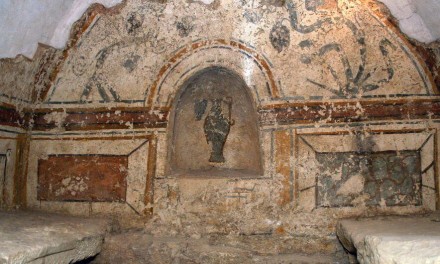
A Péter-Pál Sírkamra
A Péter-Pál Sírkamrára az 1780-as években bukkantak rá. A sopianaei épületek közül a leggyönyörűbb freskósorozattal büszkélkedik.



Történelmi háttér

Az ókeresztény temető kutatástörténete
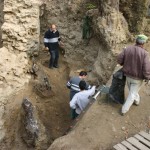
A 18-tól a 21. századig több tucat temetői építményt tártak fel a kutatók a sopianae-i nekropoliszban. Ezek közül ma csupán 14 látogatható a nagyközönség számára.

Tudástár

Kislexikon
A Kislexikont elsősorban a tanulni vágyóknak állítjuk folyamatosan össze azokból a kifejezésekből, amelyeket a honlap cikkeiben használunk.
Régészeti leletek

A krisztogram
A Krisztust jelképező szimbólum a görög X (khi) és P (rho) betük ligatúrája, melyek Krisztus görög nevének, a Khrisztosznakaz első két betűje; ezért nevezzük Krisztus monogramnak vagy krisztogramnak.


A pécsi világörökség

A pécsi világörökség
Pécs város római kori elődje, Sopianae későrómai, részben ókeresztény északi temetőjének egy része 2000-ben került fel a világörökségi helyszínek közé.